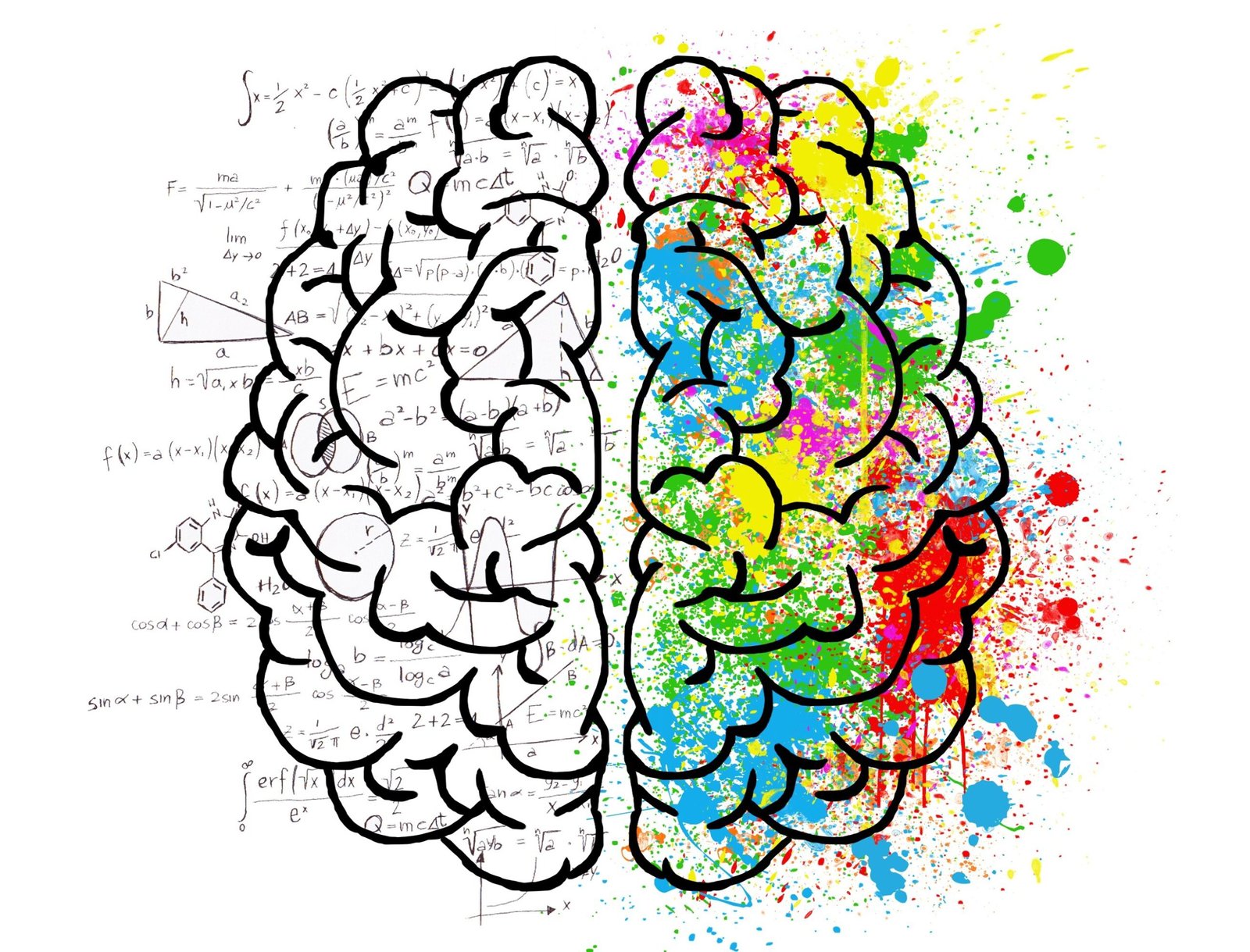
What should cognitive athletes be measuring and why is it often overlooked in comparison to physical performance metrics?
Cognitive athletes should measure their actual performance capacity, such as the number of high-quality decisions they can make before judgment deteriorates, the duration of deep focus before needing recovery, stress levels, and stress response patterns. Unlike physical performance metrics, mental capacity measurements are often neglected in professional settings, leading to missed opportunities for improvement and enhanced performance.
Could you walk us through the key domains assessed when evaluating someone’s mental performance?
The mental performance assessment evaluates ten key domains: elite mindset, motivation and commitment, focus and awareness, self-control and discipline, process over outcome, mental imagery and meditation, routines and habits of excellence, time management and organization, leadership, and culture. These domains collectively provide a comprehensive overview of an individual’s mental strengths and areas for growth, especially in leadership roles.
What are the common blind spots high performers encounter when completing the mental performance assessment for the first time?
Common blind spots identified in high performers include inadequate focus on recovery, boundary setting, and energy management. Additionally, leadership patterns, stress responses during high-pressure situations, and the lack of formal leadership training are often overlooked blind spots. Recognizing and addressing these blind spots are crucial for optimizing mental performance and achieving sustainable success.
How does measuring mental performance differ from tracking productivity metrics or outcomes, and what challenges does this present?
Measuring mental performance involves assessing intangible factors like stress levels, decision-making quality, burnout risk, and sustainability, which are not as straightforward to track as productivity metrics or outcomes. Unlike tangible metrics, mental performance data offers insights into areas like stress management and decision-making quality, requiring a more nuanced approach to measurement and improvement.
What insights do individuals gain about themselves from taking a mental performance assessment that they may not have previously realized?
The mental performance assessment provides individuals with a detailed understanding of their mental strengths and weaknesses across various pillars, offering concrete data on areas like energy management, recovery, and boundary setting. This assessment illuminates underlying patterns and blind spots that individuals may not have been aware of, leading to targeted strategies for improvement and enhanced performance.
How is a systematic mental performance training plan created based on assessment data, and what does this training plan typically entail for individuals?
A systematic mental performance training plan is tailored to an individual’s assessment data and goals, focusing on areas with the most significant impact on performance. This plan may include strategies to enhance focus, improve recovery and energy management, optimize sleep and nutrition, and develop effective time management and organizational systems. By addressing specific needs identified in the assessment, individuals can work towards achieving their ideal vision for both their personal and professional lives.
What distinguishes attempting to address mental performance gaps independently from working with a mental performance coach, and what benefits does coaching provide?
While individuals can try to address mental performance gaps independently using available resources, working with a mental performance coach offers personalized guidance, external perspective, and expert insights. Coaches can identify mindset blocks, core beliefs, and blind spots that individuals may not recognize on their own, leading to more effective strategies for improvement. Additionally, coaching provides accountability, customized training plans, and faster progress towards achieving desired performance goals.